Creative Concept for Residential Design



Yuhsien Phase II Social Housing
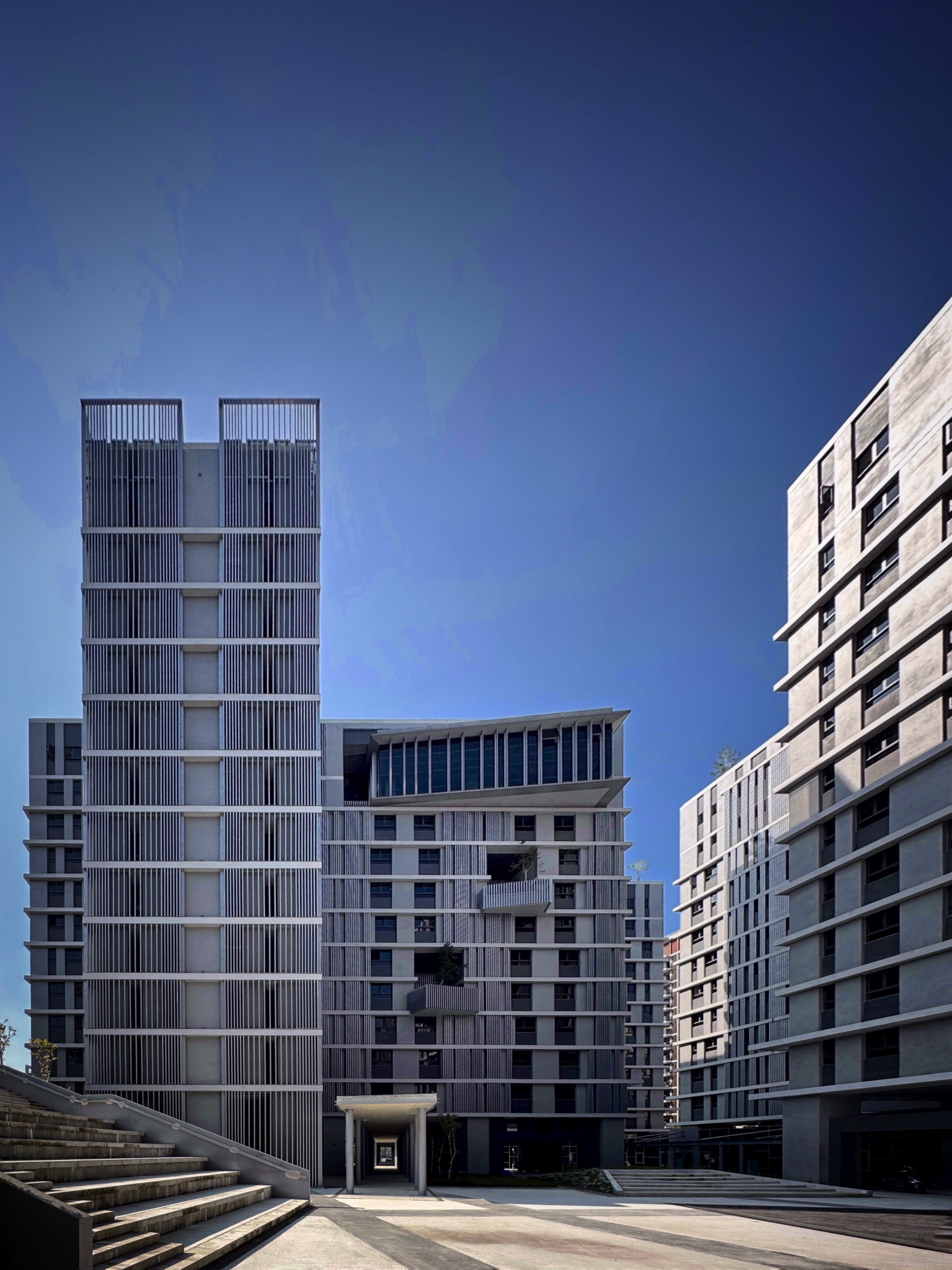
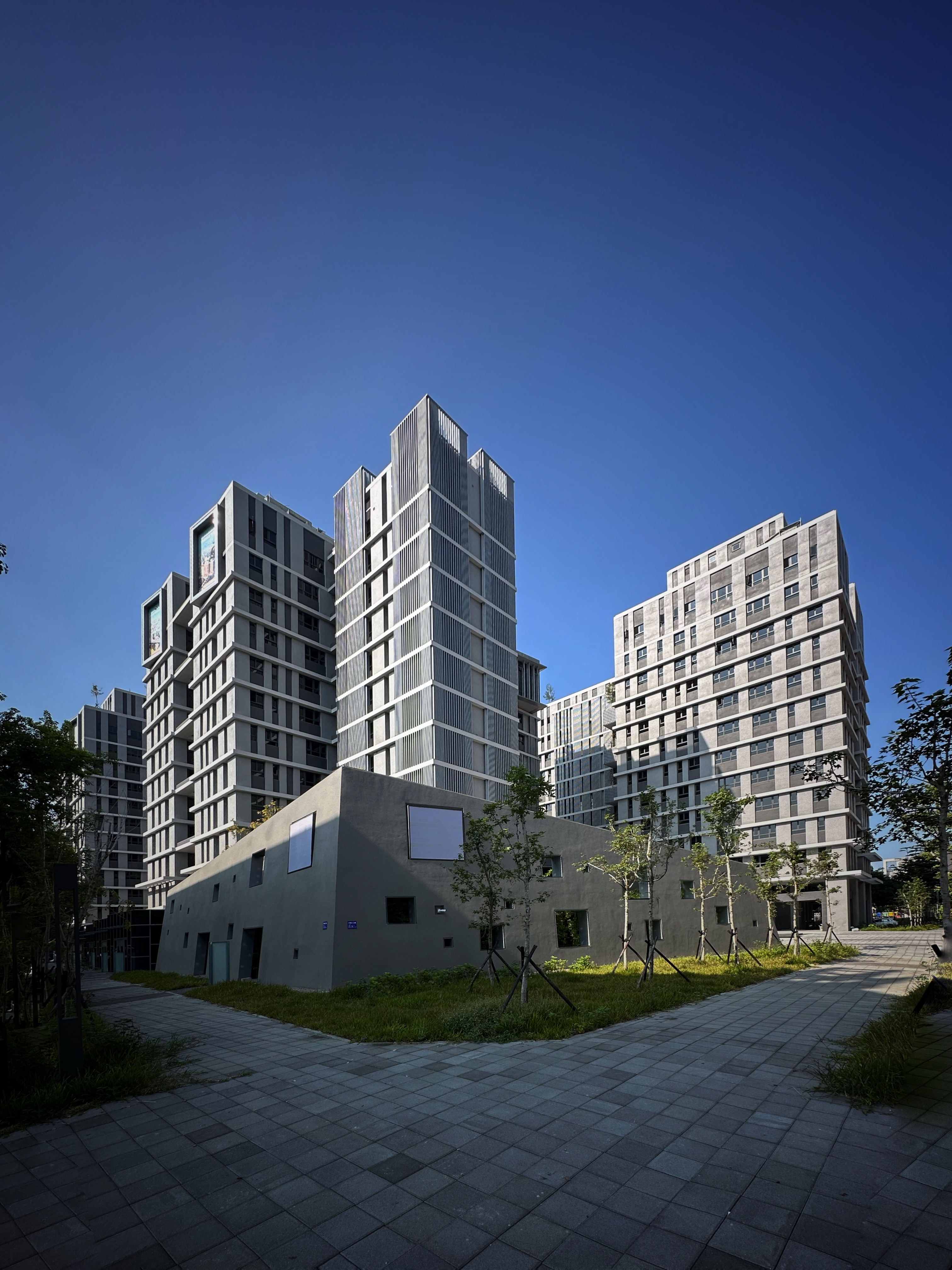
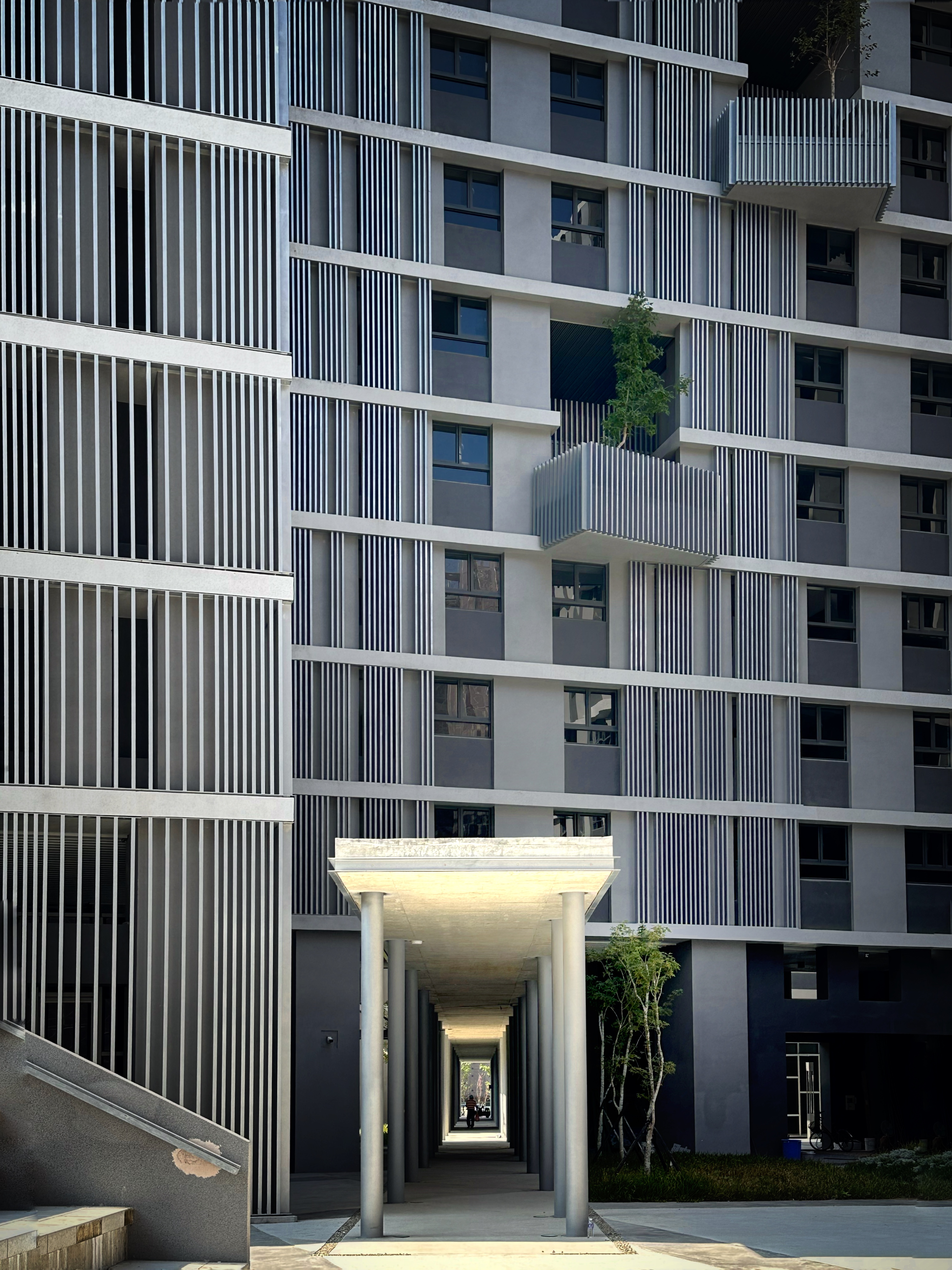
Residential, Social Housing
Yuhsien Phase II Social Housing
Re-examining social housing: Building upon basic housing rights, we expand toward diverse values across the following seven dimensions, ensuring that social housing more closely aligns with the concept of "building the warmth of a home."
- Social Welfare Care Platform
- Healthy City Hub
- Emergency Relief Resources
- Social Mobility Ladder
- Catalyst for Urban Regeneration
- Market Stabilization Support
- Diverse Urban Interface
About Society
Exploring the Connection Between Architecture and the Site
Physical Dimension — Historical Evolution and Urban Fabric
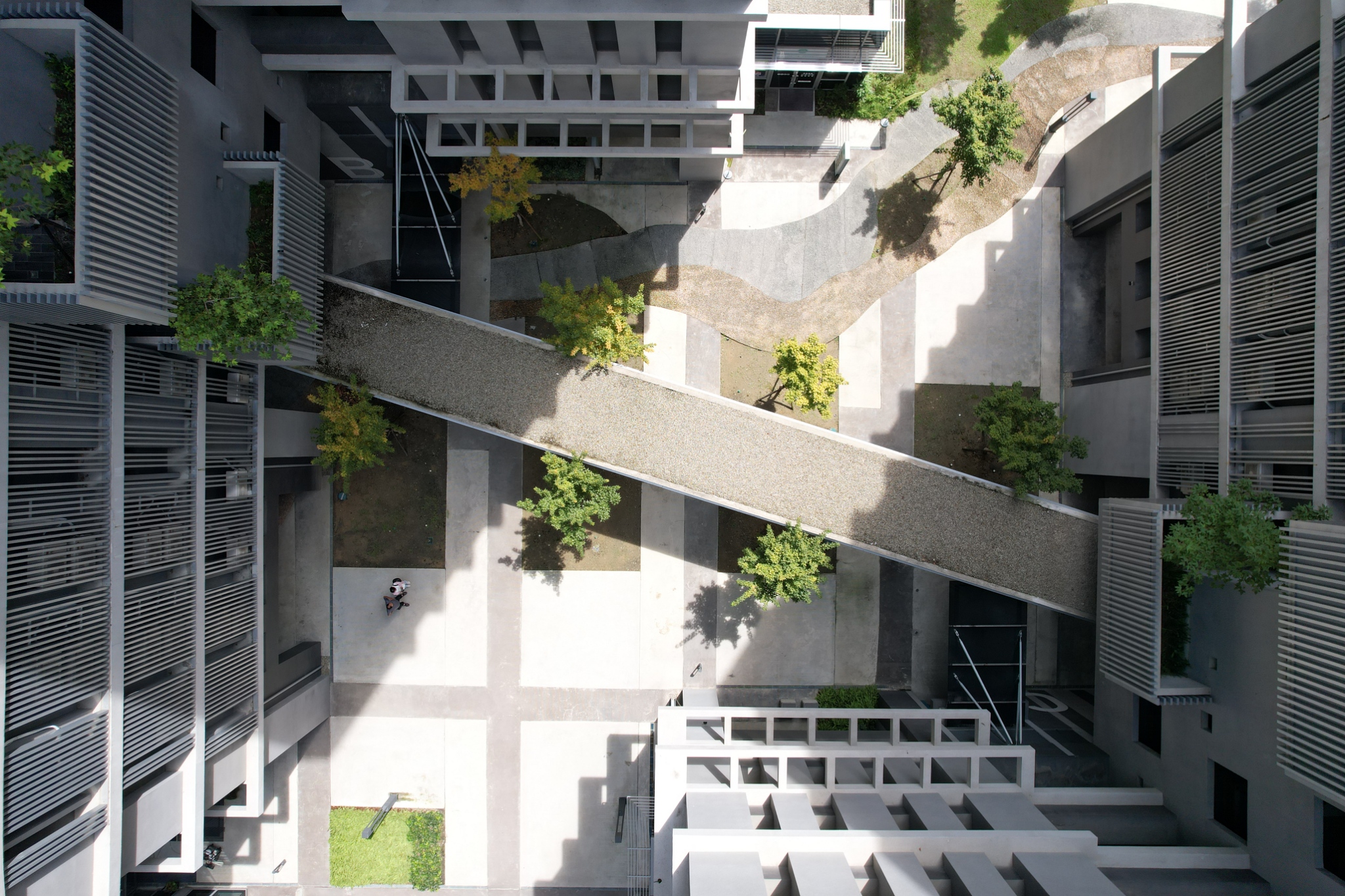
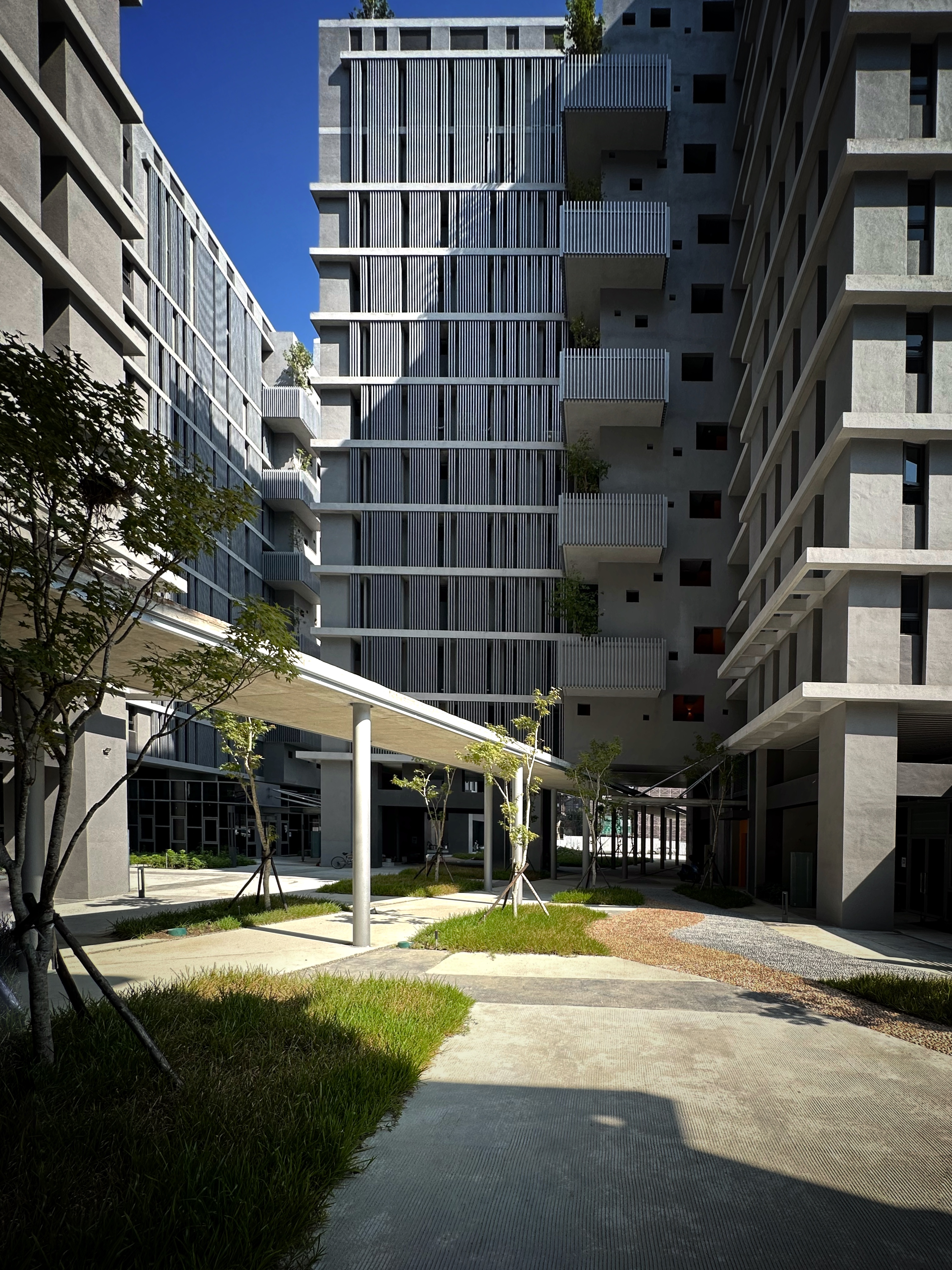
Historically, the site was the old Dali River channel; a sense of flowing connection is its core characteristic. Emotionally, the ground-level landscape design echoes the memory of the river channel's fabric. Rationally, this design holds high ambitions to connect different urban blocks and diverse human activities. Through a physical corridor spanning different blocks, it links two major blocks and three phases of social housing, reconnecting the disconnected spaces of the city and its history. By injecting commercial and social welfare activities of varying intensities, it redefines the prototype of social housing and the city. The interweaving of natural landscape curves and the geometric straight lines of human circulation reshapes the open space of this new social housing project.
Natural Dimension — Physical Environment and Site Context (The ``Three Highs``: High Temperature, High Humidity, and High Density)
- Environmental Factors: Located next to a high-speed arterial road, traffic noise reaches peak levels of 76 decibels. Responding to the acoustic environment is a crucial task for this project.
- Natural Environment: Environmental factors—flowing wind, light, sound, and greenery—are analyzed and integrated into the spatial landscape. For the acoustic environment, Noise3D software was used to analyze the relationship between the elevated road and massing configuration, significantly reducing noise impact. For the wind field, FlowDesign software analyzed optimal building openings and airflow. For sunlight, Ecotect software was utilized to eliminate traditional enclosed massing designs, resulting in an optimal staggered configuration that showcases a rich, interwoven architectural landscape.
About the Residence
Exploring Individual and Group Interaction
Residence and Community / Public and Private
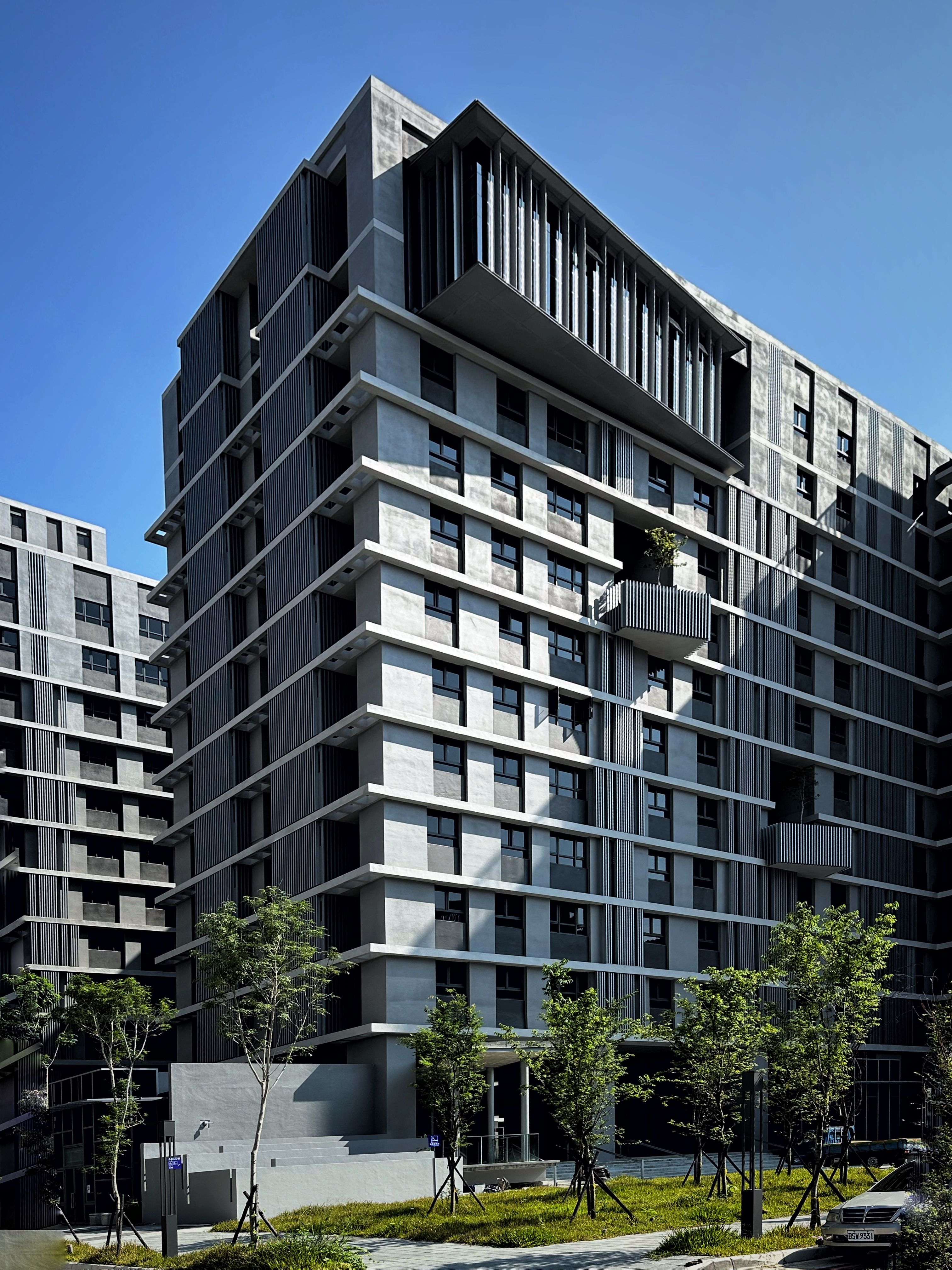
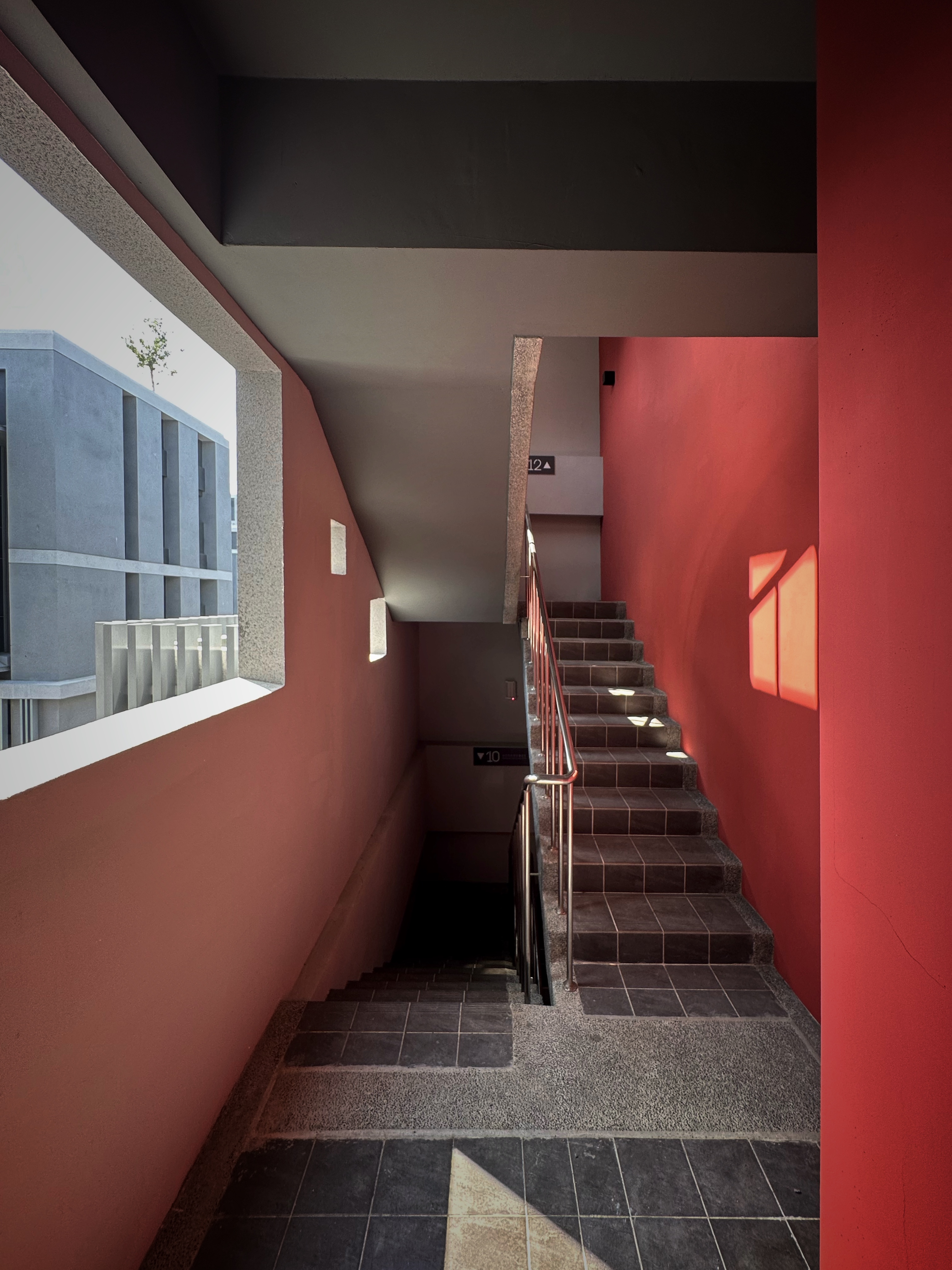
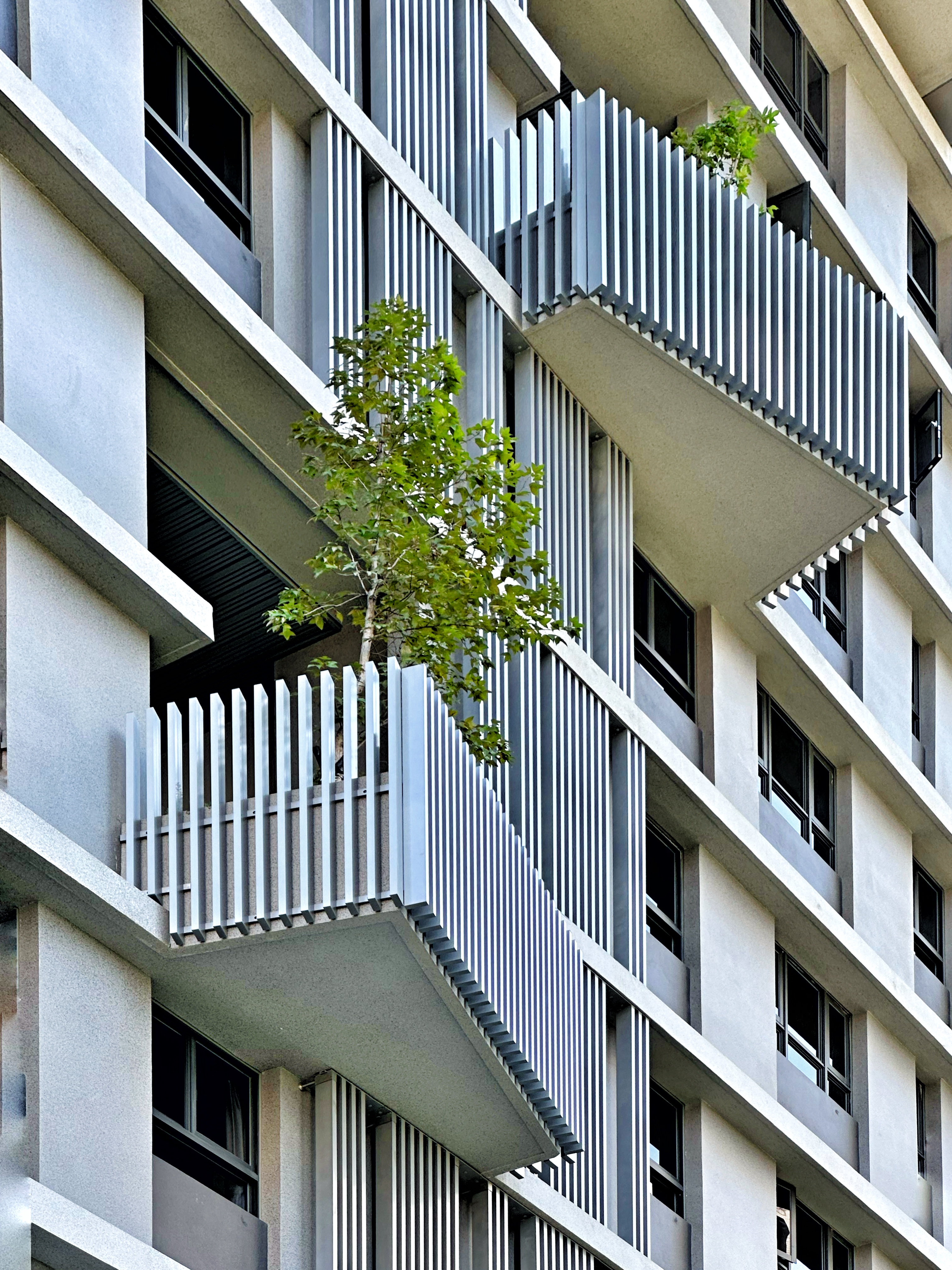
- Diverse spatial compositions enrich the circulation and white space between units. Shared balconies are provided on each floor, accompanied by staggered skip-floor terraces. High-rise buildings feature multi-purpose shared classrooms, creating moments of community interaction as individuals navigate the space.
Features of Public Space Usage
- Sustainability (Subtropical Environmental Response): Porous Architecture.
- Public Service Space Plan (Micro-City Concept): Integrating Paths, Districts, Landmarks, Edges, and Nodes with resident activities to form a micro-living city.
- Public Space Usage Plan: Social Welfare Space / Commercial Space / Three-Dimensional Open Space.
- Spatial Organization Across Floors: Three-Dimensional Streets / Fostering Interaction.
Ground Floor
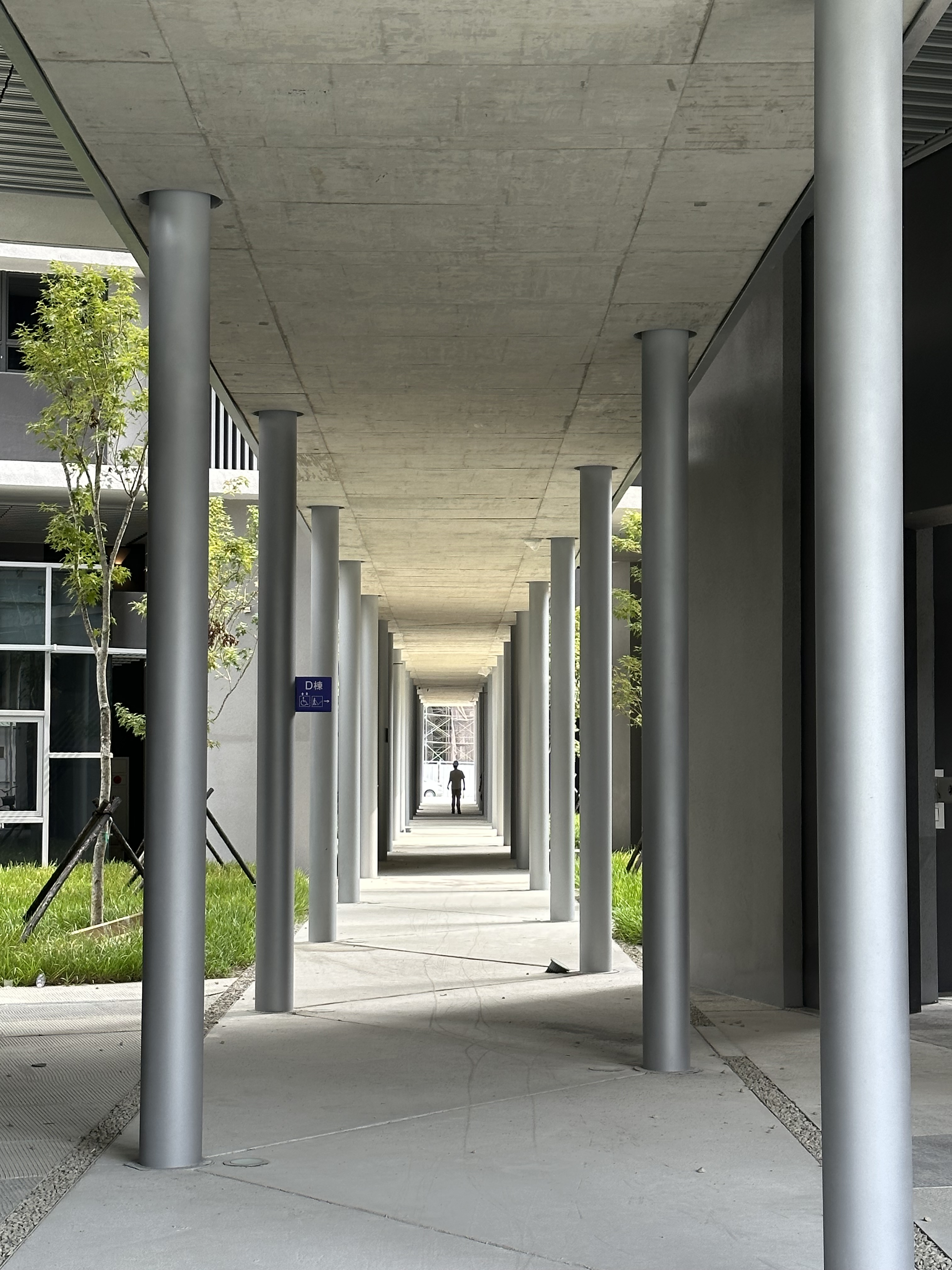
- Cross-Block Public Corridor: Connects Yuhsien Phases I, II, and III. It redefines living, social welfare, general commerce, and weekend market activities across blocks and diverse communities, awakening memories of the old Dali River.
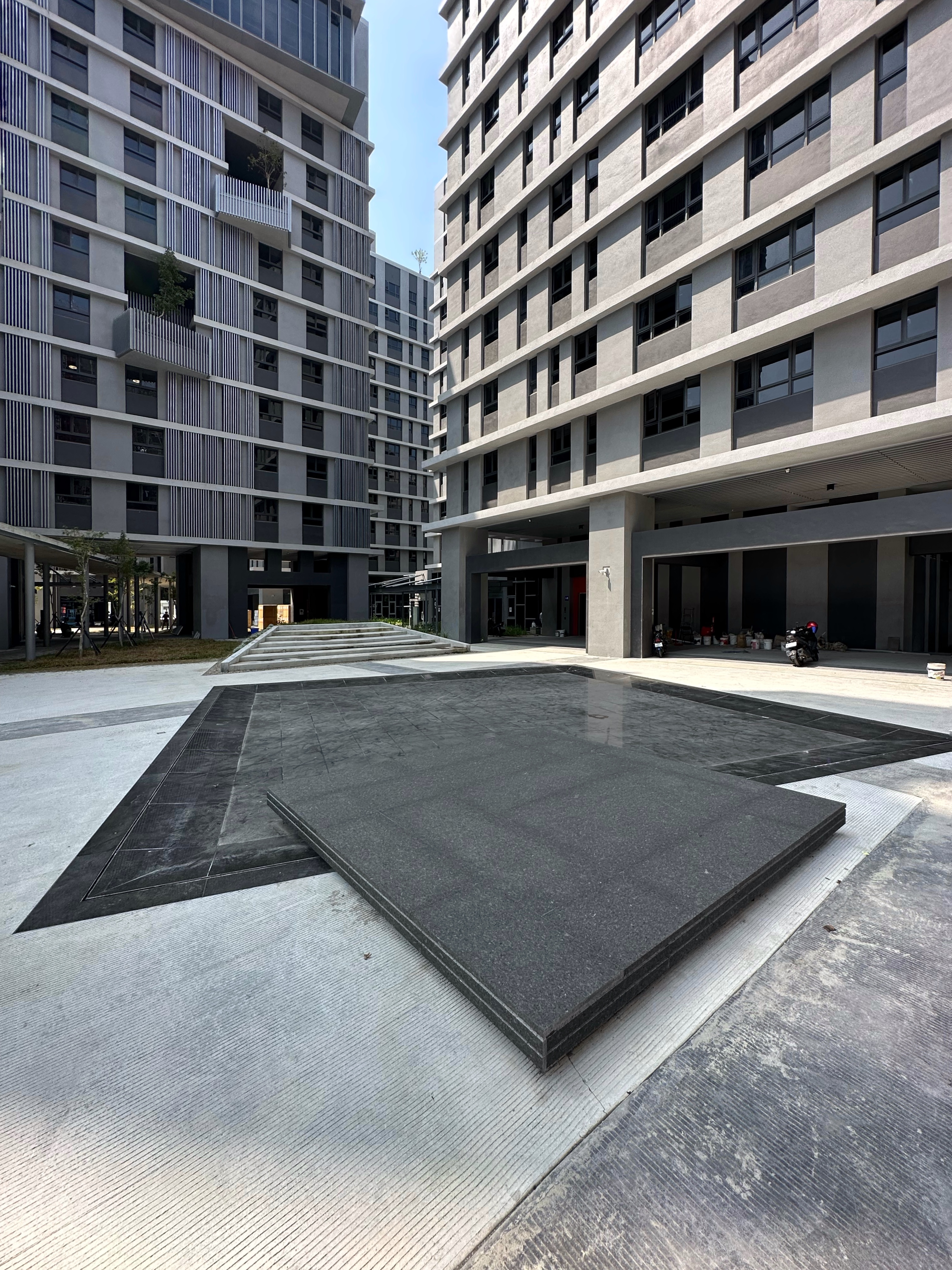
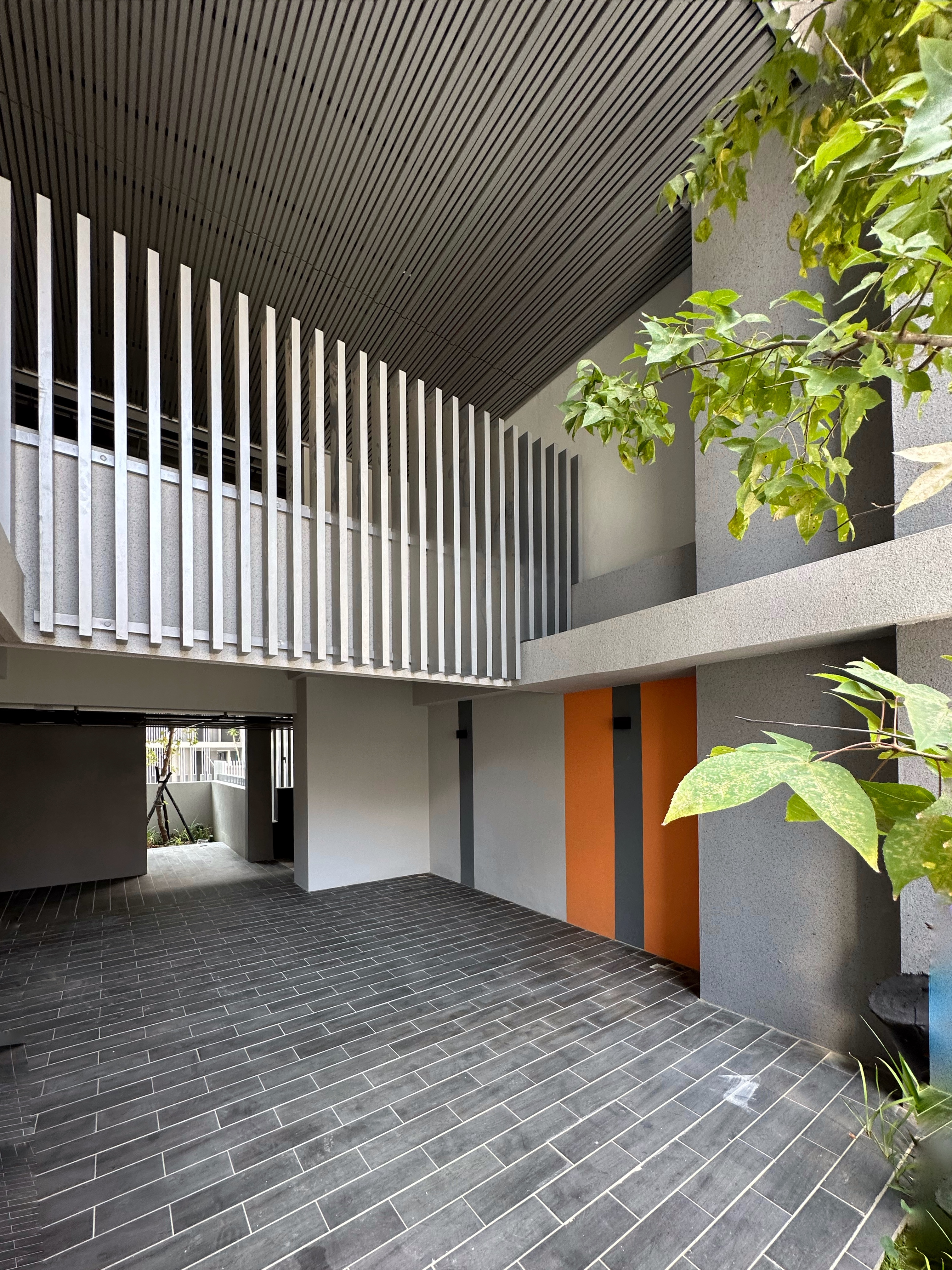
- 1F Lobby, Social Welfare, Shops, Library: Integrates various spaces and elevates the connecting semi-outdoor area to a height of 5.4m, providing highly permeable, ample, and diverse activity spaces.
- 1F Artificial Ground Courtyard Platform: The courtyard landscape level is elevated by 1.5m to increase soil thickness, allowing for the planting of medium-to-large arbor trees to regulate the microclimate.
Mid-Level Floors
- 2F–12F Residential Spaces: A mixed configuration of one-, two-, and three-bedroom units to achieve a co-living, mixed-demographic environment. Double-height landscape balconies and terraces on select floors serve as excellent spaces for neighborhood interaction.
- Barrier-Free Spaces: Unit types on the lower floors (2F–3F) conform to barrier-free residential standards.
- Shared Living Balcony Courtyards: Every floor is equipped with shared balconies and skip-floor terraces.
High-Rise Floors
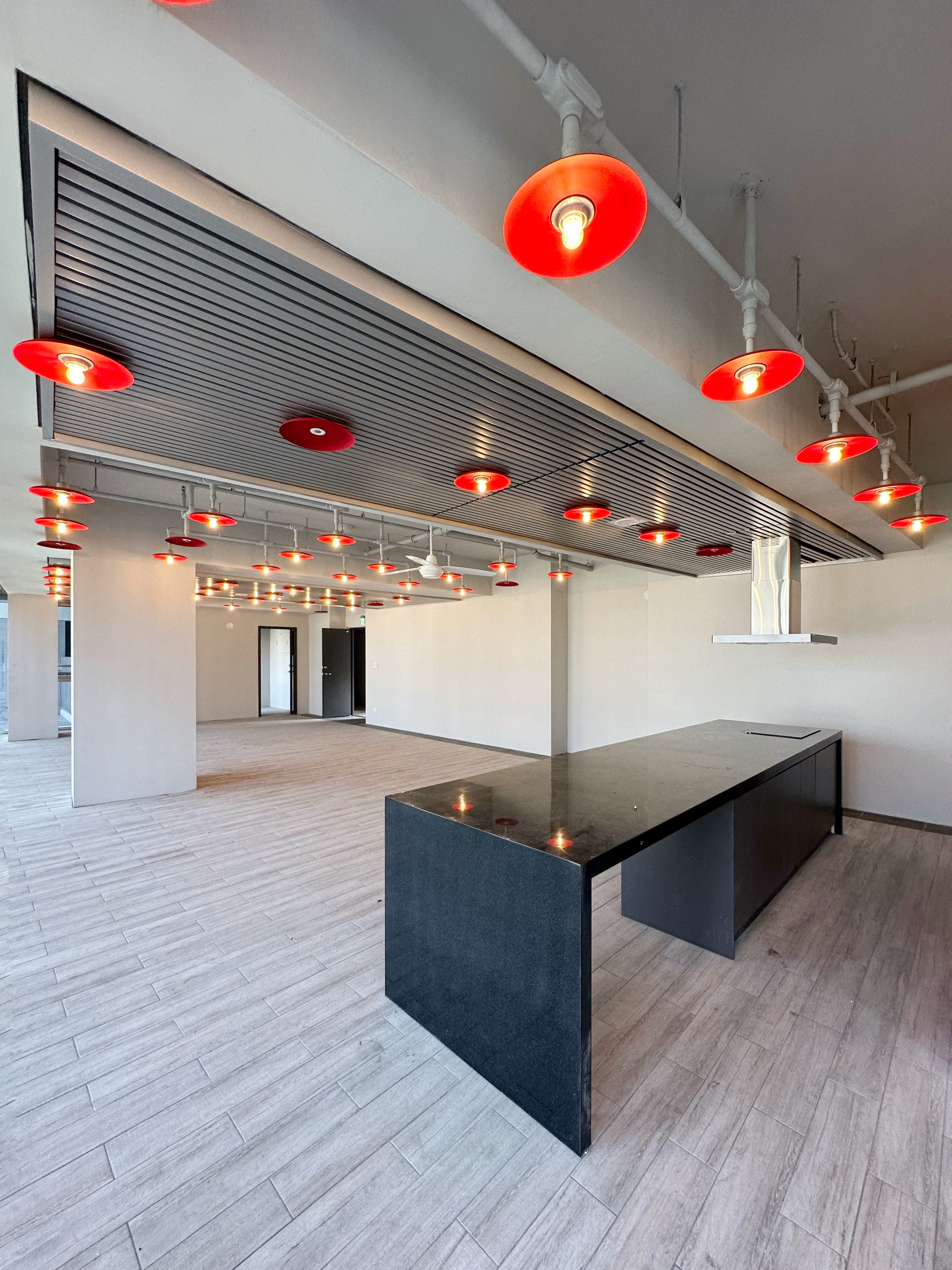
- 11F Multi-Purpose Shared Space: Provides residents with versatile shared areas such as culinary classrooms, lounges, general classrooms, and yoga studios, utilizing flexible partitions for multi-purpose use.
- R1F Roof Garden: Roof gardens and urban farms are established to provide residents with recreation and entertainment.
Creative Feedback Public Space — Creating Collective Memories
- Public Art Space Treehouse Competition: Utilizes public art mechanisms and structural material competitions, combined with participatory construction by residents, to revitalize public art. This integrates architectural education and collective memory into the social housing system.
Basement
- Separate Entrance for External Guests: The underground parking lot features a dedicated entrance and exit for external guests—in addition to standard lobby access—catering to external personnel and parking space rental needs.
Structural Materials and Equipment Features
Creating "Variation" through staggered massing at different angles within "Unity," and deriving "Sequential Change" through differently sized walls within "Modules."
- The three-dimensional form integrates the facade modular plan with rhythms of A, 3A, and 2A, presenting musicality through reorganized variations. Balancing aesthetics and economics, the high-rise section responds to the city with colorful, angle-adjusted billboards.
- Windows are modulated in multiples of 30cm to respond to functional spaces. Deep-set windows enhance overall aesthetics and create unique light and shadow variations on a single facade.
- Horizontal slabs and louvers meet aesthetic principles while achieving shading and energy-saving effects.
- Aluminum cladding, supplemented by eco-friendly paint, adapts to the high-temperature and high-humidity climate while meeting the principles of economy and easy maintenance.
Creating diverse facade appearances using economical, durable, and easily maintained materials:
- Integrating simple eco-friendly paint, aluminum louvers, glass, and modular systems reduces the maintenance and risk costs associated with traditional falling ceramic tiles and stones.
Utilizing early-stage planar modular planning to reduce remodeling and material waste:
- Basement parking ceiling formworks and pipelines are modularly partitioned and arranged in advance. No further finishing is needed after demolding, saving costs while maintaining aesthetics.
Utilizing equipment layout planning to reduce maintenance and management difficulties:
- Single-room AC outdoor units are placed outside the semi-outdoor corridor spaces, reducing the difficulty and cost of maintenance scheduling.
- Pipe shafts are positioned along the planar periphery rather than in the center, increasing the feasibility of future floor plan alterations.
Property Management and Operational Features
Parking and Public Spaces
The basement parking space features dedicated elevators for external guests and renters. The number of parking spaces exceeds statutory requirements, increasing public parking convenience and external rental potential. Lighting and ventilation wells maintain excellent environmental quality in the basement.
Stable Shared Community Advertising Revenue
Effectively utilizing building exterior wall areas creates stable community revenue. The high-rise section facing the Route 74 elevated highway is equipped with four large billboards for rent, providing long-term, reliable income.
Weekend Markets and Neighborhood Parks
The 5.4m elevated open space on the ground floor, combined with pre-planned mechanical and electrical equipment in the landscape layout, can accommodate nearly 70 weekend market vendors. This provides leisure activities for neighboring communities, transforms the role of community open spaces, earns stall rental income, and allows for regular festival markets.
Treehouse Competition
A recombination of structural material challenges and urban public art mechanisms. Through the treehouse competition and resident participatory construction, designs are refined. They creatively utilize modern vocabulary to interpret urban forest imagery, revitalizing public art and integrating it into the social housing system, architectural education, and collective memory.
Smart Building
Promoting the Smart Building Certification accelerates the growth and application of building automation technologies. Building management becomes more humane and intelligent, thereby extending the building's lifespan, saving energy and manpower, and significantly reducing future operational costs.
Location
Taiping District, Taichung City
Date
2026-06-02